The industry we buy inside of
Coffee is Nicaragua's largest agricultural export, and almost all of it is grown by smallholder families.
Not our numbers, the country's
These are sector-wide figures for Nicaraguan coffee. We publish them because they describe the industry we work in, not because they are ours to claim.
- 330,000+People employed by Nicaraguan coffee
- 45,000+Coffee-growing families, mostly smallholders
- #1Top agricultural export
- 85%+Of Arabica grown in Matagalpa and Jinotega
Source: USDA FAS Coffee Annual — Nicaragua (2025) and World Coffee Research.
Shade and canopy
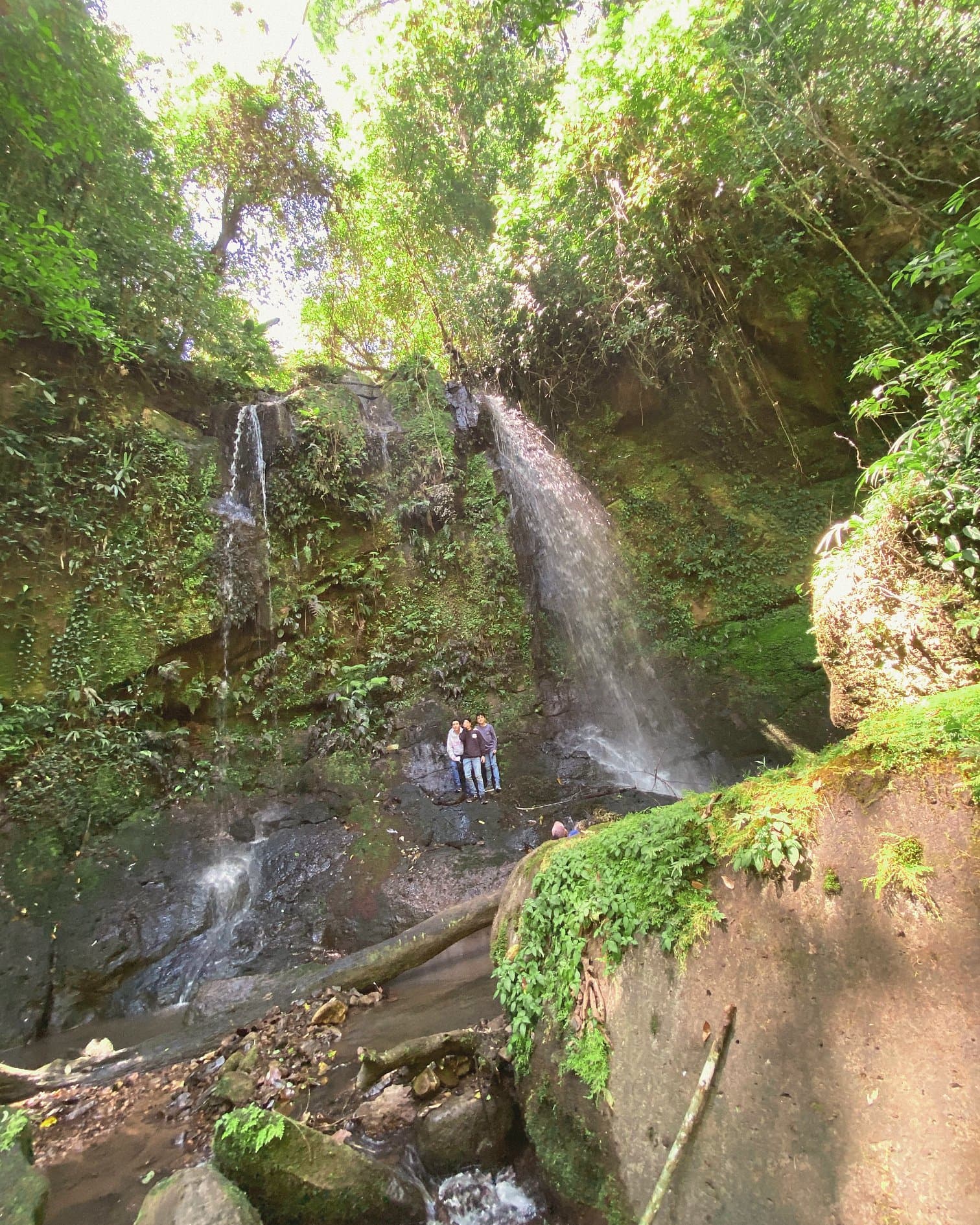
The coffee we buy is shade-grown. Canopy keeps soil temperature down and gives migratory birds somewhere to land.
Water at the mill
Wet processing is the thirstiest step in coffee. Mills that recirculate and treat their water are the ones we work with.
Work that lasts past harvest
Pruning, nursery work and mill maintenance keep people employed in the months when there are no cherries to pick.
Buying direct
Fewer hands between the farm and the roastery means more of what a roaster pays reaches the people who grew it.